
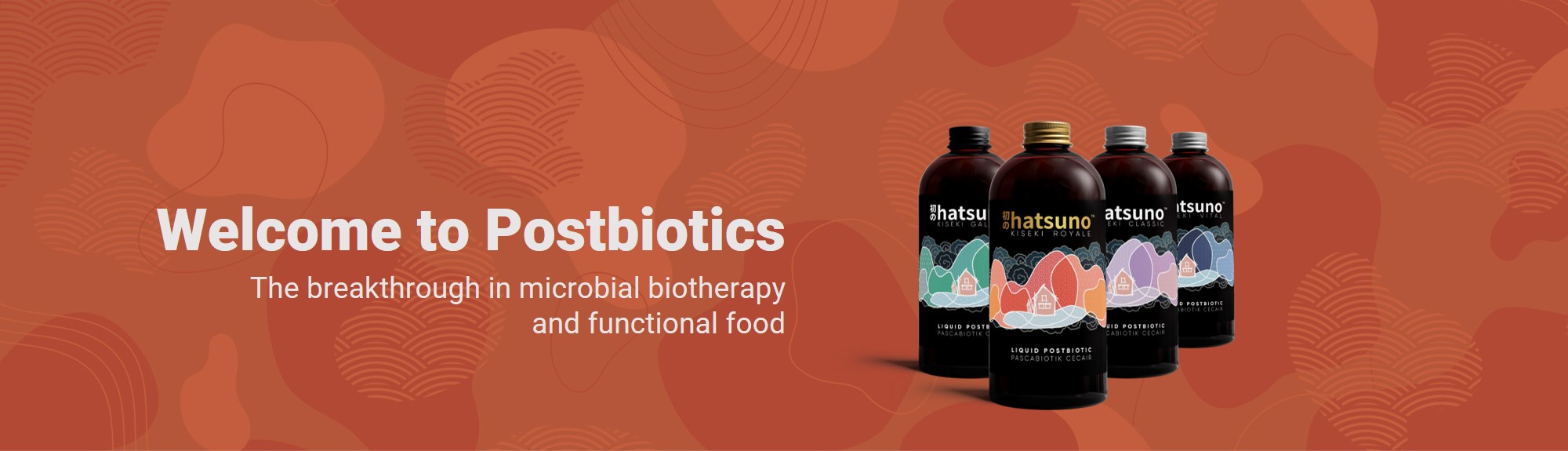
Many cancer patients worry that supplements containing antioxidants might stimulate angiogenesis — the formation of new blood vessels — hence “feed” their tumors.
Understanding how these work in the body can help you make sense of the concerns about angiogenesis.
Angiogenesis: Two Very Different Pathways
Angiogenesis is the process of forming new blood vessels. The same term describes very different processes depending on the context:
Physiological angiogenesis (normal tissue repair):
- Triggered by mild, localized signals in response to tissue injury or stress.
- Key regulators include VEGF-A, FGF-2, and angiopoietins, which act under tight cellular control.
- Supported by antioxidants that reduce oxidative stress, protecting endothelial cells and enabling proper vessel formation.
Pathological angiogenesis (tumor angiogenesis):
- Triggered by strong, continuous signals from tumor cells, including VEGF, HIF-1α, and PDGF.
- Results in uncontrolled blood vessel growth, often leaky and abnormal.
- Supports tumor oxygenation, nutrient supply, and metastasis.
Key difference: Normal angiogenesis is regulated and beneficial, while tumor angiogenesis is uncontrolled and cancer-driven. (Carmeliet P., Nature, 2005)
How Kiseki’s Antioxidants Regulate Angiogenesis
Kiseki’s antioxidants — from fermented green papaya, seaweed, berries, and turmeric — influence angiogenesis through cellular redox regulation, gene expression modulation, and inflammatory pathway control.
a) Oxidative Stress Modulation
- Reactive oxygen species (ROS) are critical signals for angiogenesis.
- Excessive ROS can promote pathological angiogenesis in tumors.
- Antioxidants in Kiseki scavenge ROS, protecting endothelial cells in normal tissues while limiting oxidative stress that drives tumor angiogenesis.
Evidence:
- Curcumin reduces ROS-mediated VEGF expression in tumor cells while supporting healthy endothelial function (Kunnumakkara AB et al., Cancer Letters, 2017).
- Berries and green papaya polyphenols also act as ROS modulators in endothelial cells (Abotaleb M et al., Frontiers in Oncology, 2024).
b) Regulation of VEGF Signaling
- In healthy tissues, VEGF-A is expressed transiently during repair.
- Kiseki antioxidants help normalize VEGF signaling, ensuring angiogenesis occurs in a controlled manner.
- In tumor tissues, VEGF is overexpressed due to cancer signaling; Kiseki’s antioxidants do not amplify tumor VEGF and may even inhibit ROS-driven VEGF overexpression.
Evidence:
- Curcumin inhibits VEGF transcription in cancer cells while supporting VEGF-dependent repair in normal cells (Aggarwal BB et al., Biochemical Pharmacology, 2007).
- Fucoidans in seaweed regulate endothelial cell proliferation without promoting tumor angiogenesis (Ale MT et al., Marine Drugs, 2011).
c) Anti-inflammatory Pathways
- Chronic inflammation contributes to tumor angiogenesis.
- Kiseki antioxidants reduce pro-inflammatory cytokines (e.g., TNF-α, IL-6) in normal tissue, supporting repair without fueling tumor progression.
Evidence:
- Turmeric’s curcumin inhibits NF-κB signaling, a pathway that promotes both inflammation and VEGF-mediated tumor angiogenesis (Shishodia S., Cancer Letters, 2007).
- Berry polyphenols reduce endothelial activation and oxidative stress while maintaining normal angiogenesis (Wang LS et al., Journal of Agricultural and Food Chemistry, 2011).
Pathway Summary: Why Kiseki Supports Healthy Tissue Without Feeding Tumors
- Controlled VEGF Activation: Supports transient angiogenesis in normal tissue repair.
- ROS Modulation: Protects endothelial cells and limits tumor-promoting oxidative stress.
- Anti-inflammatory Effects: Reduces signals that could enhance tumor angiogenesis.
- Targeted Effect: Antioxidants act on healthy tissues, while tumor angiogenesis is controlled by cancer-driven pathways that Kiseki does not activate.
Analogy: Kiseki is like a gardener watering the healthy flowers in your body. The weeds (tumors) already have their own irrigation system and strong signals. Kiseki nourishes only the flowers, not the weeds.
Final takeaway – Scientific Consensus
- Normal angiogenesis: beneficial, regulated, supported by antioxidants.
- Tumor angiogenesis: uncontrolled, driven by cancer cells, not nutrients or antioxidants.
- Antioxidants in Kiseki: promote physiological angiogenesis, protect cells from oxidative damage, and do not amplify tumor growth.
References:
1. Abotaleb M et al., Frontiers in Oncology, 2024; 14:1050000. PMID: 38611849
2. Aggarwal BB et al., Biochemical Pharmacology, 2007; 74:1505–1520. PMID: 17637419
3. Ale MT et al., Marine Drugs, 2011; 9:2106–2130. PMID: 21994774
4. Carmeliet P., Nature, 2005; 438:932–936. PMID: 15902242
5. Kunnumakkara AB et al., Cancer Letters, 2017; 391:1–12. PMID: 17382479
6. Shishodia S., Cancer Letters, 2007; 245:177–189. PMID: 17337324
7. Wang LS et al., J Agric Food Chem, 2011; 59:12379–12388. PMID: 21361463
