
(Why Healing Sometimes Feels Stuck)
Have you ever done everything right—taken the medication, followed the advice—yet healing still feels slow or inconsistent? One important truth is often missed: recovery is not linear. It comes with ups, downs, and pauses. When progress stalls, it’s often not the treatment failing, but hidden impediments to recovery still at play.
One common barrier is ongoing internal stress. Even after the main issue is treated, the body may still be dealing with inflammation, organ strain, or general weakness. In this state, the body prioritises survival over repair, slowing down healing.
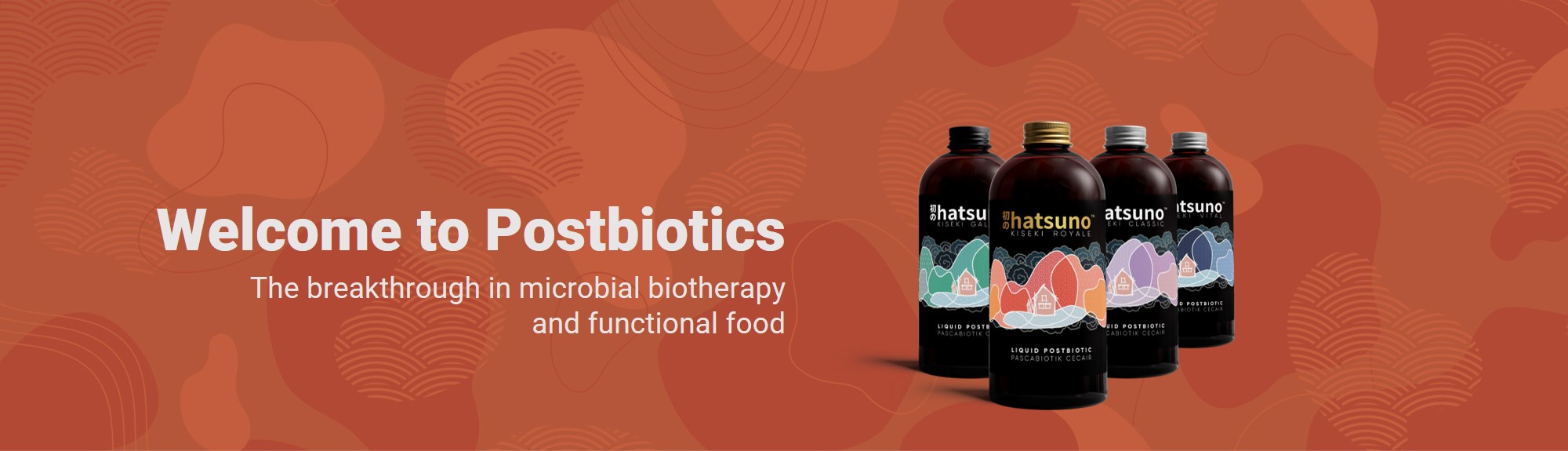
The gut is another major factor. Beyond digestion, it controls nutrient absorption and immune balance. After illness, stress, or antibiotic use, the gut microbiome can become disrupted. This affects how well nutrients are absorbed and how effectively the immune system responds. Supporting the gut and providing readily usable nutrients—such as metabolites from Kiseki Postbiotics—can help restore internal balance and support recovery from within.
Immune balance is equally important. A weak immune system struggles to repair, while an overactive one prolongs inflammation. Since the gut plays a central role in immune regulation, maintaining gut health can help the body respond more appropriately during recovery.
Nutrition also matters more than most realise. Healing requires protein, vitamins, minerals, and energy. Even with normal eating, recovery may be slow if absorption is poor or the body’s demand is higher than usual. This again links back to gut function.
Medications, while necessary, can sometimes create temporary imbalances. For example, antibiotics help eliminate harmful bacteria but may also disrupt beneficial microbes in the gut. Recovery then involves not just treating the illness, but also restoring balance afterward.
Daily habits can quietly become barriers too. Obvious ones like inactivity or poor diet can slow healing, but subtle habits—such as mouth breather—can affect sleep quality and oxygen levels, preventing deep, restorative rest. Over time, these small factors can significantly impact recovery.
External stress, poor sleep, and environmental instability further add to the burden. The body heals best in a calm, stable state.
In reality, slow recovery is rarely caused by a single issue. More often, it’s a combination of small imbalances—gut disruption, immune stress, poor nutrient use, lifestyle habits, and lingering inflammation—that make the body feel “stuck.”
True healing begins when these barriers are recognised and gradually removed. Recovery is not just about treating the condition, but about restoring balance so the body can heal at its own pace.If you have any questions about a stuck or slow healing process, feel free to contact our holistic nutritionist via WhatsApp at +6011-2288 5500.
